

Palettenfüße und Nesting-Stecker funktionieren als zweiteiliges Hebe- und Stap...
Branchennachrichten
Jul 10,2026
Was sind Palettenfüße und Nesting-Stecker?
Palettenfüße und Nesting-Stecker sind zwei kleine, aber strukturell wichtige Stahlkomponenten, die bei der Herstellung und dem Betrieb von Gestellen, Paletten und industriellen Lagerrahmen verwendet werden. Palettenfüße sind gepresste oder geformte Stahlbeschläge, die an die Grundecken eines Gestells oder einer Palette geschweißt oder gepresst sind Dadurch hat es einen stabilen Stand auf dem Lagerboden und ermöglicht das Unterschieben der Gabelstaplerzinken zum Anheben. Nesting-Stecker sind Einsatzkomponenten, typischerweise aus Stahl oder Kunststoff, die in die Oberseite dieser Eckpfosten eingepasst werden, so dass, wenn ein Gestell auf ein anderes gelegt wird, der Stopfen an der unteren Einheit genau im Fuß der darüber liegenden Einheit sitzt und den Stapel sicher an seinem Platz verriegelt. Kirmell Ltd fasst den Zusammenhang klar zusammen: Palettenfüße passen sicher in Kastenabschnitte und bilden eine starke Basis, die die Handhabung und das Stapeln erleichtert, während Neststopfen ein ordentliches Stapeln von Paletten und Gestellen ermöglichen, was wertvolle Bodenfläche spart und die Sicherheit in belebten Umgebungen erhöht (Quelle: Kirmell Ltd, Pallet Feet and Nesting Plugs).
Palettenfüße definiert
Ein Palettenfuß ist der strukturelle Kontaktpunkt zwischen einem Gestell, einer Pfostenpalette oder einem vorgefertigten Regal und dem Boden darunter. Ohne einen geeigneten Fuß würden die Strukturbeine eines Stahlgestells auf ihren rohen Enden ruhen, wodurch Punktlasten entstehen könnten, die den Boden beschädigen, die Stabilität verringern und das Einfahren mit dem Gabelstapler erschweren oder unmöglich machen könnten.
Wie sie aussehen
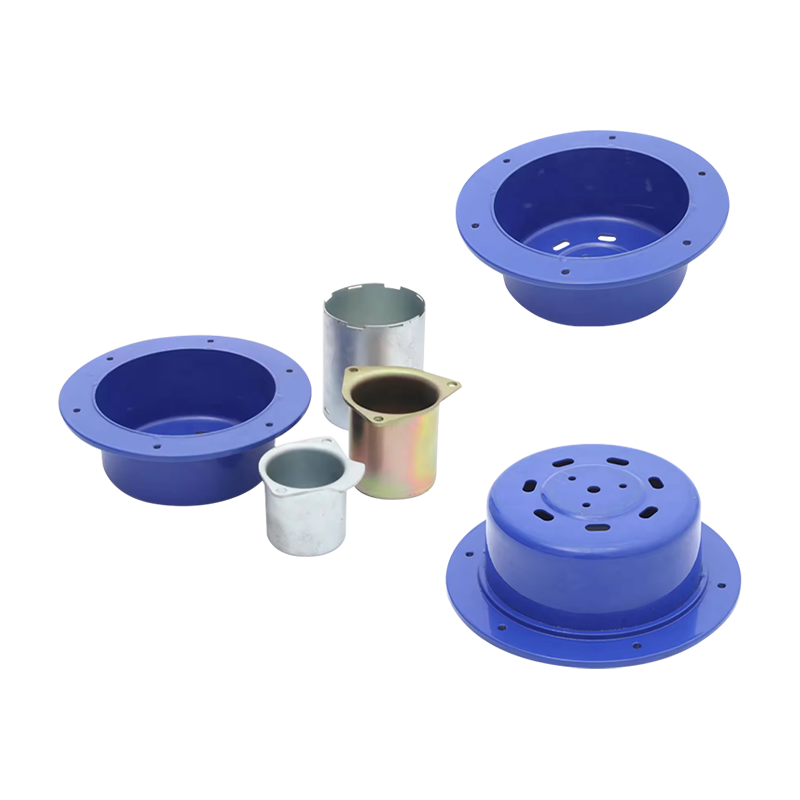
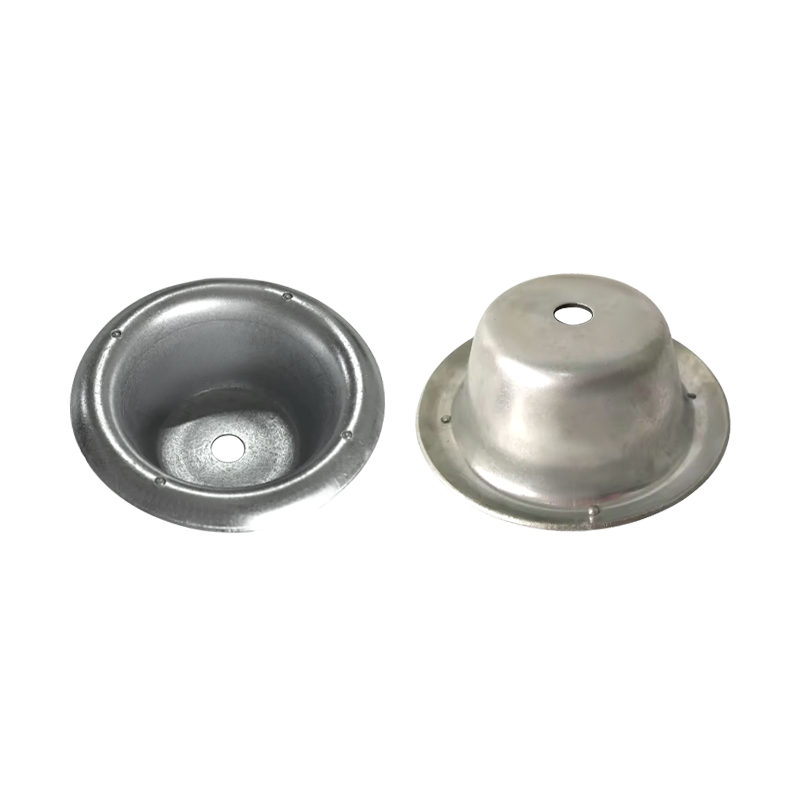
Die meisten Palettenfüße sind becherförmig oder konisch und werden aus Weichstahlblech gepresst. Der Fuß wird über das Eckbein eines Gestells geschoben oder daran angeschweißt, wodurch eine breitere, stärkere Basis entsteht. Avatan Handling Equipment beschreibt seine am häufigsten verwendete F1-Fußserie als geeignet für bis zu 50 mm Vierkantwinkel oder Kastenprofil , mit der Standard-F1-Fußmessung 125 x 125 x 54 mm mit einer 52 mm großen, quadratischen, flachen Oberplatte, die aus 2,3 mm dickem Stahl gepresst ist (Quelle: Avatan Handling Equipment, F1 Pallet Foot). Es sind auch schwerere Versionen erhältlich, wobei einige Anbieter Basisbreiten von bis zu anbieten 186 mm für Hochlast-Box- und Winkelpalettenanwendungen (Quelle: Kirmell Ltd, Pallet Feet and Nesting Plugs for Sale).
Warum konische oder becherförmige Designs am häufigsten vorkommen
Avatan Handling Equipment erklärt, dass konische Palettenfüße im Vereinigten Königreich am häufigsten verwendet werden und für die meisten britischen Gestelle verwendet werden, da ihre Form es Gabelstaplerfahrern ermöglicht, die Gestelle während des Stapelns schnell und effizient auszurichten, da zwei der Füße sichtbar mit der darunter liegenden Palette ausgerichtet sind und die restlichen zwei direkt an ihrem Platz einrasten (Quelle: Avatan Handling Equipment, How to Choose Pallet Feet for Stillages). Diese Ausrichtungszuverlässigkeit ist genau der Grund, warum das konische Becherdesign branchenweit nach wie vor die vorherrschende Form ist.
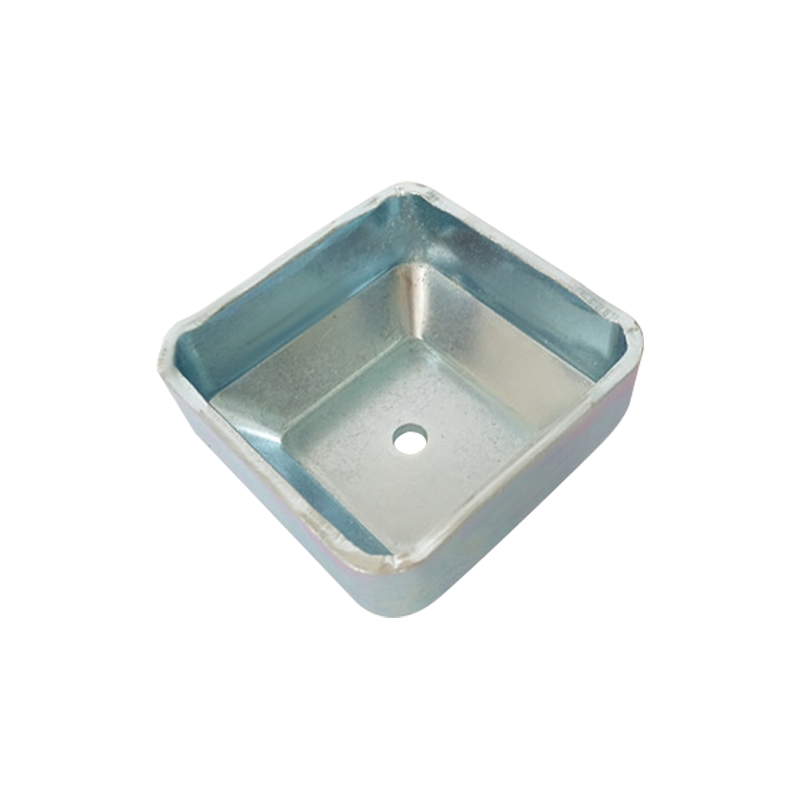
Verwendete Materialien
Das Material eines Palettenfußes wird passend zur Umgebung und Belastung ausgewählt. Die drei wichtigsten Optionen, die in der Branche verwendet werden, sind Weichstahl, Edelstahl und Aluminium. RGB Industries weist darauf hin, dass jeder Fuß aus hochwertigen Materialien wie Aluminium, verzinktem Stahl und Edelstahl gefertigt ist, um eine dauerhafte Leistung auch bei wiederholtem Stapeln oder bei der Handhabung mit Gabelstaplern zu gewährleisten (Quelle: RGB Industries, Palettenfüße für Gestelle und Regale). Für den Einsatz im Freien oder in Umgebungen mit Feuchtigkeit und Chemikalienbelastung wird verzinkter Stahl oder Edelstahl gegenüber normalem Weichstahl bevorzugt, um Korrosion zu widerstehen und die strukturelle Integrität aufrechtzuerhalten.
Die drei Haupttypen von Palettenfüßen
Nicht alle Palettenfüße sind austauschbar. Die Auswahl des richtigen Typs für eine bestimmte Lager- oder Transportaufgabe ist eine der ersten Entscheidungen bei der Konstruktion von Gestellen. Kirmell Ltd identifiziert die drei Haupttypen als feste, verstellbare und stapelbare Typn, die jeweils eine bestimmte Funktion im Lagerbetrieb erfüllen (Quelle: Kirmell Ltd, feste, verstellbare und stapelbare Stahlpalettenfüße).
| Type | Primäre Funktion | Am besten geeignet für |
| Feste Palettenfüße | Permanente Basis, maximale Strukturfestigkeit | Schwere Industrielasten, Automobilindustrie, Stahlherstellung |
| Verstellbare Palettenfüße | Höhe und Position können geändert werden, um sie an unterschiedliche Rackhöhen oder unebene Oberflächen anzupassen | Lager mit gemischtem Bestand und wechselnden Layouts |
| Stapelbare Palettenfüße | Entwickelt für die Verriegelung mit den Neststopfen auf der darunter liegenden Palette, um eine vertikale Stapelung zu ermöglichen | Platzbegrenzte Lager, Reduzierung der Transportkosten |
Kirmell Ltd erklärt, dass feste Palettenfüße für maximale Haltbarkeit unter schweren Lasten gebaut sind, verstellbare Füße Vielseitigkeit für gemischtes Inventar bieten und stapelbare Füße dazu beitragen, die Stellfläche und die Transporteffizienz zu maximieren (Quelle: Kirmell Ltd, feste, verstellbare und stapelbare Stahlpalettenfüße). Die Wahl zwischen diesen drei Typen hängt letztendlich vom Ladungsgewicht, der Häufigkeit von Layoutänderungen und der Bedeutung der vertikalen Raumoptimierung für den Betrieb ab.
Schachtelungsstopfen definiert
Ein Nesting Plug ist eine kleine Einsatzkomponente, die typischerweise aus Stahl oder robustem Kunststoff besteht und in die offene, hohle Oberseite einer Palette oder eines Eckpfostens passt. Sein einziger Zweck besteht darin, einen Aufnahmesockel zu schaffen, in den der Fuß eines gestapelten Gestells genau passen kann und der die beiden Einheiten miteinander verriegelt, sodass die obere Einheit nicht von der unteren rutschen kann.
So funktioniert ein Nesting Plug
Avatan Handling Equipment beschreibt die mechanische Wirkung direkt: Der Nesting-Plug sitzt auf oder unter dem Eckpfosten, und der genoppte Nesting-Plug wird in das Rohr einer darüber liegenden Ladung eingesetzt und hält die gestapelte Palette fest und sicher an Ort und Stelle (Quelle: Avatan Handling Equipment, How to Choose Pallet Feet for Stilllages). Ohne einen Verschachtelungsstopfen würde der Fuß des oberen Gestells einfach auf dem offenen Rand des darunter liegenden Pfostens aufliegen, was zu einer minimalen seitlichen Einschränkung führen würde und einen Stapel erzeugen würde, der bei Gabelstaplerbewegungen oder Vibrationen anfällig für seitliche Verschiebungen wäre.
Neststopfen und Bodenschutz
Eine technische Überlegung, die oft übersehen wird, besteht darin, dass die alleinige Verwendung von Steckdübeln ohne Kufen oder Kufen zwischen den Eckpfosten die volle Last eines Stapels auf eine sehr kleine Kontaktfläche konzentrieren würde. Avatan Handling Equipment weist darauf hin, dass es bei der Konstruktion von Gestellen mit Nesting-Plugs im Allgemeinen notwendig ist, Kufen oder Kufen zwischen den Eckpfosten anzubringen, um die Last auf eine größere Fläche zu verteilen, da Nesting-Plugs allein eine erhebliche Punktlast erzeugen würden, die wahrscheinlich den Boden beschädigen würde (Quelle: Avatan Handling Equipment, How to Choose Pallet Feet for Stilllages). Beim Einsatz mit Kufen werden sowohl Lager- als auch Fahrzeugböden besser vor konzentrierter Belastung geschützt.
Was Niststecker verhindern
Über die Stapelausrichtung hinaus identifiziert Kirmell Ltd mehrere zusätzliche Schutzfunktionen, die Nesting Plugs innerhalb eines Lagersystems bieten (Quelle: Kirmell Ltd, What Are Nesting Plugs and Why Do Warehouses Use Them):
- Verhindert das Verrutschen von Waren während der Lagerung und des Transports, indem Paletten und Container in einer festen Ausrichtung gehalten werden
- Versiegelt offene Pfostenenden gegen Staub, Feuchtigkeit und Schmutz in hygienesensiblen Lagerhäusern wie der Lagerung von Lebensmitteln und Arzneimitteln
- Eine gleichmäßigere Verteilung der Stapellasten über die Struktur der unteren Palette oder des Gestells
- Reduziert die für Gabelstaplerfahrer erforderliche Präzision beim Platzieren von Stapeln, da der Stopfen den oberen Fuß in Position führt
Wie Palettenfüße und Nesting Plugs zusammenarbeiten
Der Grund dafür, dass Palettenfüße und Nesting-Stopfen fast immer als Paar besprochen und geliefert werden, liegt darin, dass es sich um zwei Hälften desselben Stapelsystems handelt. Der Fuß an der Basis des oberen Gestells muss genau in den Aufnahmestopfen passen, der oben am Eckpfosten des unteren Gestells angebracht ist. Wenn diese Übereinstimmung stimmt, wird der Stapel zu einer mechanisch ineinandergreifenden Säule und nicht zu einem Stapel loser, übereinander balancierter Einheiten.
Kirmell Ltd erfasst diesen Zusammenhang deutlich und stellt fest, dass stapelbare Palettenfüße mit den Füßen oder Aufnahmestopfen der darüber liegenden Palette ineinandergreifen, um die Ladung während Lagerung und Transport stabil zu halten (Quelle: Kirmell Ltd, Feste, verstellbare und stapelbare Stahlpalettenfüße). Bluestar Products fügt hinzu, dass die Standfüße die Einheiten anheben, sodass sie mit dem Gabelstapler zugänglich und stapelbar sind. Dies bestätigt, dass der Standfuß gleichzeitig sowohl bodennahe als auch erhöhte Funktionen erfüllt (Quelle: Bluestar Products, Understanding Stillages). Für Lagerhallen mit Lasten bis zu 1000 bis 1200 kg pro Gestell , den Universal Containers als den typischen Bereich für Stahlgestelle in Schwerindustrieanwendungen identifiziert, steht die Präzision dieser Fuß-Steck-Verbindung in direktem Zusammenhang mit der Sicherheit aller Personen, die in der Nähe gestapelter Einheiten arbeiten (Quelle: Universal Containers, What Is a Stillage).
Profile und Größen: Passende Komponenten zu den Beinabschnitten
Palettenfüße und Aufnahmestopfen werden in runder, quadratischer und schweißfertiger Ausführung hergestellt und passen zu einer Vielzahl von Beinprofilen. Es ist nicht optional, diese Übereinstimmung richtig zu machen. Ein Fuß, der für ein 50-mm-Quadrathohlprofil ausgelegt ist, passt nicht sicher auf ein 65-mm-Profil, und der daraus resultierende lockere Sitz macht die Ausrichtungs- und Lastübertragungsvorteile, die das Bauteil bieten soll, zunichte.
RGB Industries weist darauf hin, dass Palettenfüße für die Kompatibilität mit Standard-Stahlprofilen mit quadratischem Hohlprofil, rechteckigem Hohlprofil und kreisförmigem Hohlprofil konzipiert sind, wobei jeder Fuß speziell für unterschiedliche Profilgrößen entwickelt wurde, um von leichten Gestellen bis hin zu hochbelastbaren Industrieregalen zu passen (Quelle: RGB Industries, Palettenfüße für Gestelle und Regale). Ebenso bietet RGB Industries Nesting Plugs in den Größen 50 mm SHS und 65 mm SHS als Standardsortiment an, was die beiden gängigsten Hohlprofilgrößen in der industriellen Gestellfertigung widerspiegelt (Quelle: RGB Industries, Stillage/Pallet Feet Nesting Plugs).
Industrieanwendungen, bei denen diese Komponenten unerlässlich sind
Palettenfüße und Nesting-Stopfen kommen in einer Vielzahl von Branchen zum Einsatz, überall dort, wo Stahlgestelle für Lagerung, Transport oder beides verwendet werden.
- Automobilbau, wo täglich schwere Komponentengestelle gestapelt und durch Produktionslinien und Logistikketten bewegt werden
- Lebensmittel- und Pharmalager, wo das versiegelte obere Ende eines Neststopfens verhindert, dass Verunreinigungen in einen offenen Eckpfosten eindringen
- Bau- und Gerüstlager, wo Pfostengestelle mit einer Nennlast von bis zu 3.300 Pfund mithilfe von quadratischen Stapelfüßen bis zu sechsfach gestapelt werden (Quelle: HERMEQ USA, Pfostengestelle)
- Allgemeine Lagerverteilung, bei der die Möglichkeit, leere Retouren zu stapeln, den für Retourenlogistikfahrten benötigten Fahrzeugraum reduziert und so die Transportkosten senkt
- Glasherstellung, bei der geformte Gestelle mit speziellen Fußprofilen die Glastafeln sicher geneigt und für den Transport festgeschnallt halten (Quelle: Wikipedia, Gestelle)
Auswahl der richtigen Komponenten für Ihre Anwendung
Bevor Sie Palettenfüße oder Nesting-Stecker bestellen, müssen die folgenden Informationen für eine korrekte Übereinstimmung bestätigt werden.
- Das genaue Außenmaß und die Wandstärke des Eckpfostens oder Kastenprofils am Gestell
- Unabhängig davon, ob der Fuß angeschweißt oder eingepresst werden muss, werden bei Neuanfertigungen schweißfertige Versionen verwendet, während sich einpressbare Versionen für die Sanierung und den Austausch eignen
- Die maximale Belastung pro Gestell, da diese die erforderliche Wandstärke und Basisbreite des Fußes bestimmt
- Die Betriebsumgebung, einschließlich Feuchtigkeit, Temperatur und chemische Einwirkung, bestimmt die Wahl zwischen Weichstahl, verzinktem Stahl, Edelstahl oder Aluminium
- Unabhängig davon, ob ein Bodenschutz erforderlich ist, sollte in diesem Fall eine Kufen- oder Kufenkonstruktion neben dem Nesting-Stecker und nicht nur der Stecker verwendet werden
Die Beschaffung bei einem Hersteller, der beide Komponenten zusammen anbietet, ist die einfachste Möglichkeit, die Maßkompatibilität zu gewährleisten. Das Sortiment von DS Metal Palettenfüße und Nesting-Stecker ist für die konsistente Passung in Standard-Hohlprofilprofile konzipiert und stellt damit einen praktischen Ausgangspunkt dar, egal ob Sie neue Gestelle herstellen, bestehende aufrüsten oder Komponenten für ein hochdichtes Stapelsystem spezifizieren.
Welche Rolle spielen Metallstanzteile in der Fertigung?
Welche Anwendung finden Palettenfüße und Nesting-Stopfen in Lagersystemen?
verwandte Produkte
Senden Sie eine Anfrage
Zögern Sie nicht, uns zu kontaktieren, wenn Sie uns brauchen!
Ganz gleich, ob Sie unser Partner werden möchten oder unsere professionelle Beratung oder Unterstützung bei der Produktauswahl und Problemlösung benötigen, unsere Experten sind immer bereit, Ihnen innerhalb von 12 Stunden weltweit zu helfen
Kontaktieren Sie uns
Phone:+86 139-5824-9488
FAX :+86 574-86150176
E-mail: [email protected] [email protected]
Address: Einheit 2, Gebäude 19, Zhichuangzhizao Park, Industriegebiet Chengdong, Xiangshan, Ningbo, 315705, Zhejiang, China
Qualitativ hochwertig wählen Metallstanzteile Bewerten Sie nacheinander fün...
Metallstanzteile Verbessern Sie die Produktionseffizienz durch vier miteinande...
Produktkategorie
Mobile
